Exploring the Mechanisms Behind Fenbendazole and Its Influence On Pet Health
Fenbendazole is a widely used anthelmintic recognized for its performance against numerous parasites. Its key mechanism includes the restraint of microtubule development, which disrupts crucial procedures in these microorganisms. Past its antiparasitic residential or commercial properties, fenbendazole likewise appears to improve immune feedbacks and possesses anti-inflammatory benefits. Understanding these complex impacts might reveal new applications for animal health and wellness. Nevertheless, questions remain concerning its full possibility and safety profile.
The Pharmacokinetics of Fenbendazole
The pharmacokinetics of fenbendazole, an extensively utilized anthelmintic in veterinary medicine, entails the study of its absorption, distribution, metabolism, and excretion within pet systems. After management, fenbendazole is swiftly soaked up from the stomach system, with peak plasma concentrations taking place within hours. Its distribution is influenced by elements such as cells binding and lipid solubility, enabling it to pass through different tissues successfully. The medicine undertakes considerable metabolic rate mostly in the liver, where it is exchanged active and non-active metabolites. These metabolites play a role in the medicine's general efficiency and safety profile. Excretion takes place mostly via feces, with a smaller sized percentage removed via pee. The half-life of fenbendazole differs among types, which influences dosing programs. Comprehending these pharmacokinetic homes is vital for optimizing its healing usage and ensuring efficient parasite control in vet methods.
Systems of Activity Against Parasites
Fenbendazole exerts its antiparasitic effects mostly via the inhibition of microtubule formation in bloodsuckers. This disruption influences their architectural integrity and mobile features, causing damaged basal metabolism. Because of this, the drug efficiently jeopardizes the survival and reproduction of various parasitical organisms.
Inhibition of Microtubule Formation
Inhibition of microtubule formation represents a crucial mechanism via which specific anthelmintic agents, consisting of fenbendazole, apply their effects on bloodsuckers. Fenbendazole binds to tubulin, a protein that creates microtubules, disrupting the polymerization procedure necessary for microtubule assembly. This disruption impairs vital cellular features, including mitosis, intracellular transport, and structural honesty. As microtubules play a crucial duty in keeping the shape and feature of parasitic cells, their inhibition causes cell cycle apprehension and eventual death of the bloodsucker. This system is specifically efficient against nematodes, as their dependence on microtubules for mobility and nutrient absorption makes them prone to fenbendazole. As a result, the restraint of microtubule development is an essential facet of fenbendazole's healing efficacy in vet medication.
Interruption of Power Metabolism
Interfering with basal metabolism is one more vital system by which fenbendazole targets parasitic microorganisms. This anthelmintic modifies the energy manufacturing pathways within parasites, largely impacting their ability to produce adenosine triphosphate (ATP) By preventing sugar uptake and interfering with mitochondrial function, fenbendazole limits the power sources vital for the survival and reproduction of these organisms. Because of this, parasites become increasingly prone to environmental stress and anxieties and immune feedbacks. The interference in energy metabolic process not just affects the bloodsuckers directly but also decreases their ability to assimilate nutrients, further hindering their development - fenbendazole. In general, the disturbance of basal metabolism represents a basic element of fenbendazole's efficiency versus various parasitical infections, contributing significantly to enhanced animal health and wellness results
Possible Negative Effects and Safety And Security Profile
The possible negative effects and security profile of fenbendazole warrant mindful consideration, specifically in veterinary applications. While generally regarded as risk-free, some animals other might experience unfavorable reactions, consisting of gastrointestinal disturbances such as throwing up and diarrhea. In addition, neurological signs and symptoms, although rare, have actually been reported in delicate people, highlighting the requirement for monitoring during therapy.

Fenbendazole's safety and security in numerous species, including pets and felines, has been documented, however dose and period of therapy must be meticulously handled to decrease risks. Pregnant or lactating pets may likewise need special interest, as the effects on creating unborn children or nursing children are not totally understood.
Regular vet appointments can assist mitigate potential side results and assure the drug is administered properly. Subsequently, while fenbendazole is an effective anthelmintic representative, alertness regarding its side results is important for keeping pet wellness.
Fenbendazole's Influence on Immune Feature
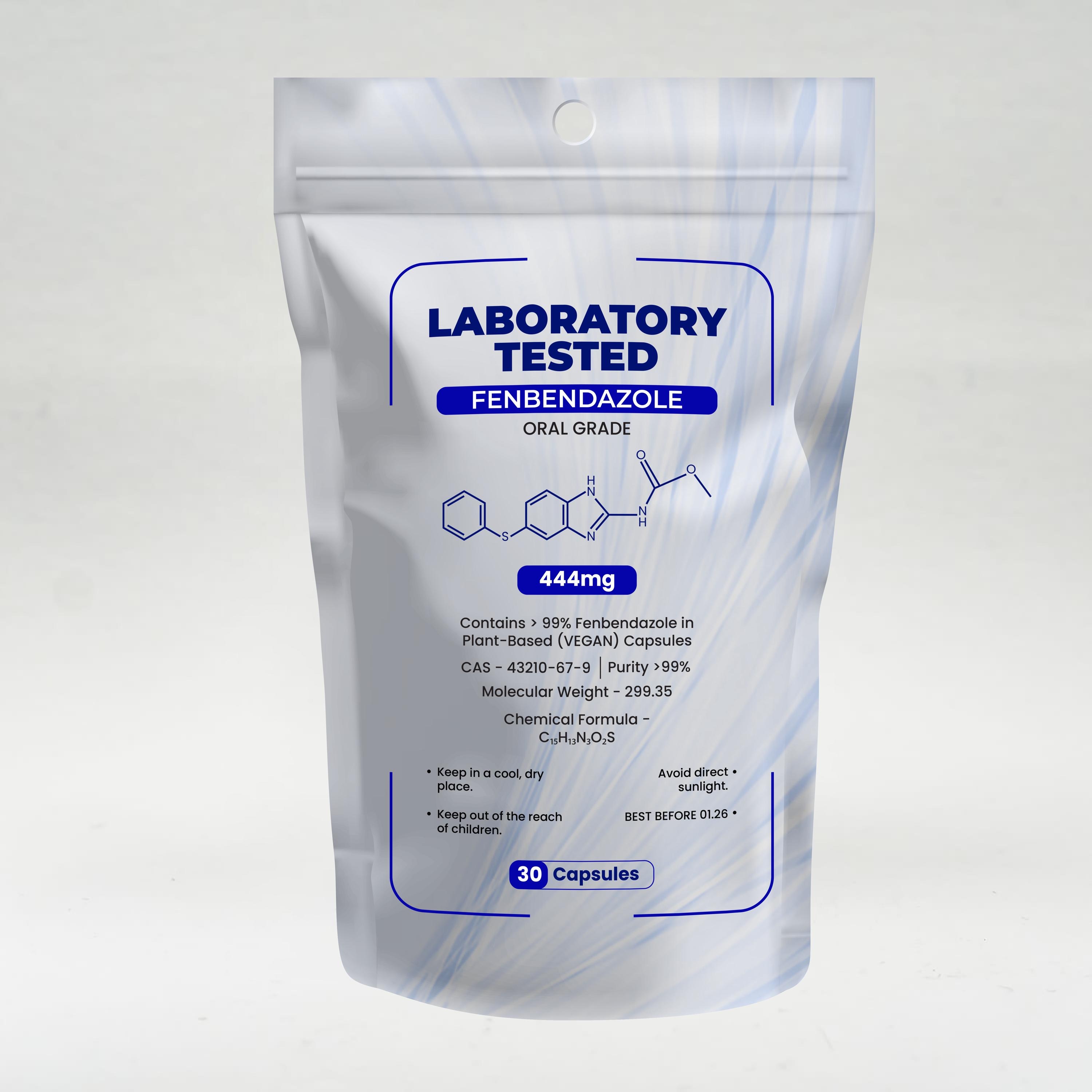
Fenbendazole has been kept in mind for its prospective to modulate body immune system actions in animals. Its anti-inflammatory properties might contribute to enhanced immune feature, supplying a dual advantage in managing health (222 mg). Comprehending these effects is crucial for reviewing fenbendazole's function in vet medicine
Immune System Inflection
Anti-inflammatory Residences
Anti-inflammatory impacts represent a significant element of fenbendazole's impact on immune function. Research study suggests that fenbendazole may lower the manufacturing of pro-inflammatory cytokines, which are pivotal in moderating inflammatory responses. By modulating these cytokines, fenbendazole can possibly alleviate inflammation-related conditions in animals. This anti-inflammatory action not only help in taking care of signs related to various diseases however also improves total body immune system efficacy. In addition, its ability to promote a balanced immune action assists prevent too much inflammatory damages, which can bring about persistent health and wellness concerns. Fenbendazole's function in swelling administration underscores its relevance in vet medicine, offering a dual advantage of antiparasitic activity and immune system support for pet health.
Applications Beyond Standard Parasitic Infections
While largely recognized for its performance versus various parasitic infections, fenbendazole has actually gathered focus for prospective applications beyond this traditional range. Recent studies suggest that fenbendazole might have helpful effects on mobile health and immune response, making it an intriguing prospect for managing other health and wellness conditions in pets. As an example, its reported anti-inflammatory buildings might offer alleviation for pets dealing with chronic inflammatory diseases. In addition, some research suggests that fenbendazole might play a function in sustaining the general wellness of animals by enhancing nutrient absorption and stomach health and wellness. In addition, its potential as an accessory therapy in cancer treatment has actually sparked rate of interest, as preliminary searchings for recommend it may hinder lump cell development in certain contexts. These varied applications highlight fenbendazole's adaptability, encouraging additional expedition into its diverse advantages for animal health past its conventional use as a deworming representative.
Future Research Study Directions and Implications for Animal Health
The exploration of fenbendazole's additional hints potential applications has opened brand-new methods for study targeted at enhancing animal wellness. Future research studies could concentrate on its efficiency versus a wider variety of virus, including germs and infections, therefore expanding its function in veterinary medication. The effects of fenbendazole's devices, such as its effect on immune modulation, warrant better investigation to understand exactly how it can strengthen total wellness in numerous species.
Furthermore, research study might check out optimal does and solutions to make best use of effectiveness while reducing potential side impacts. Examining fenbendazole's collaborating impacts with anonymous various other drugs might bring about more efficient therapy procedures. Longitudinal researches evaluating lasting results in animals treated with fenbendazole can offer useful understandings into its safety and security and effectiveness. On the whole, the ongoing expedition of fenbendazole uses promising potential to enhance animal wellness, requiring a collective approach among scientists, veterinarians, and pharmaceutical designers to promote innovations around.
Frequently Asked Questions
Can Fenbendazole Be Utilized in Livestock for Bloodsucker Prevention?
The concern of whether fenbendazole can be made use of in animals for parasite avoidance is relevant, as manufacturers seek reliable treatments (fenbendazole 222). Study indicates it might give benefits, however correct guidelines and vet advice are necessary for secure use
What Is the Suggested Dose of Fenbendazole for Various Pets?

Are There Any Kind Of Understood Medicine Interactions With Fenbendazole?
Current knowledge suggests that fenbendazole may connect with specific medications, possibly influencing their efficacy or metabolic rate. Veterinary professionals recommend talking to a veterinarian to evaluate individual animal cases and figure out any type of possible communications prior to administration.
How Does Fenbendazole Contrast to Various Other Antiparasitic Medications?
Fenbendazole is typically contrasted to other antiparasitic medicines based upon effectiveness, range of task, and safety accounts. It is preferred for its efficiency against a large range of bloodsuckers while typically displaying marginal negative effects in animals.
Is Fenbendazole Effective Versus Viral or Microbial Infections in Pets?
The effectiveness of fenbendazole against viral or microbial infections in animals stays unverified. Study mainly concentrates on its antiparasitic buildings, with minimal evidence supporting any type of function in treating non-parasitic infections in vet medicine.
Comments on “fenbendazole capsules: An In-Depth Overview Before Use”